


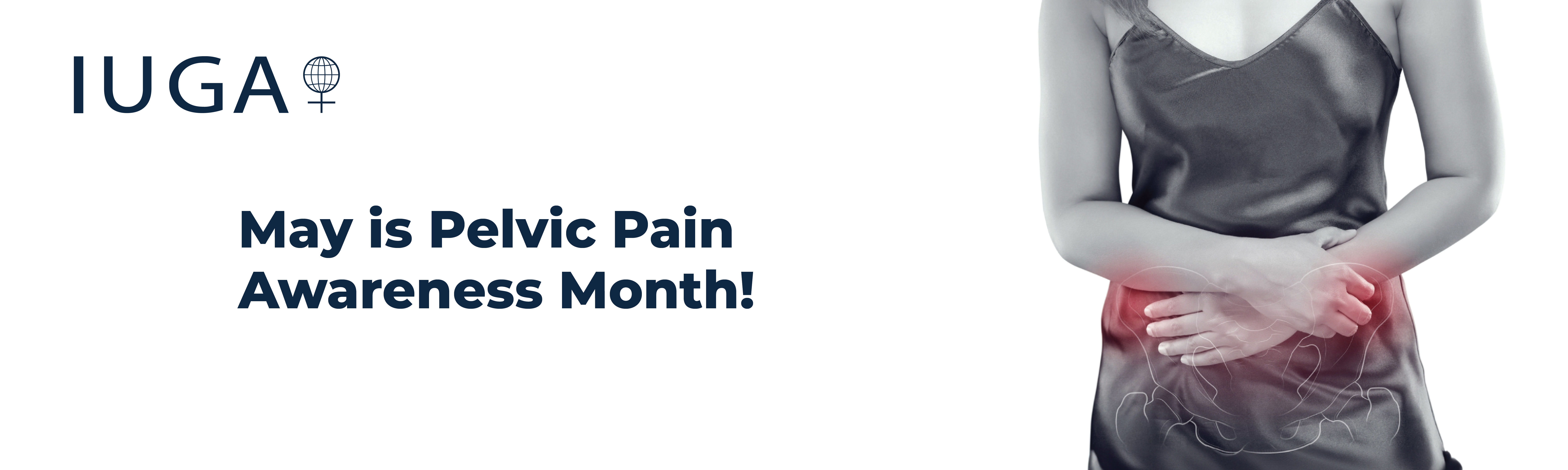
Every May, we recognize Pelvic Pain Awareness Month—a time to shine a light on a condition that is common, often misunderstood, and frequently dismissed. Pelvic pain can affect anyone. While it is more common in women, men and people of all genders can experience it too. It can show up as pain in the lower belly, the pelvis, the genitals, or the lower back, and it may come and go or last for months or years.
Many people see several doctors before they get answers. Some are told the pain is “all in your head,” or that nothing is wrong. This can be discouraging — and it is one of the reasons awareness matters so much. Pelvic pain is real, it is treatable, and you do not have to live with it alone.
Five things that can help
- Talk about it. Pelvic pain is more common than people realize. Bringing it up with your doctor is the first step toward feeling better. If you don’t feel heard, it is okay to ask for a referral to a specialist.
- Ask about pelvic floor physical therapy. A pelvic floor physical therapist is specially trained to help with the muscles that support the bladder, bowel, and pelvic organs. For many people, this kind of therapy is one of the most effective treatments available.
- Take care of your whole self. Stress, poor sleep, and anxiety can make pain feel worse. Gentle movement (like walking or yoga), good sleep, and mindfulness or relaxation techniques can all help calm the body’s response to pain.
- Pay attention to what makes it better or worse. Some people find that certain foods, drinks, or activities trigger their symptoms. Keeping a simple symptom diary can help you and your doctor figure out what to try next.
- Build a care team. Pelvic pain often does best with a team approach — your primary doctor, a urogynecologist or other specialist, a pelvic floor therapist, and sometimes a counselor or pain specialist. You deserve coordinated, compassionate care.
Awareness saves time, suffering, and silence. By talking openly about pelvic pain, we help more people find their way to the care they need.
5 Recent Articles in the International Urogynecology Journal (IUJ):
As part of our ongoing efforts to raise awareness of pelvic pain and its impact on women's health globally, we are highlighting a selection of recent research published in the International Urogynecology Journal (IUJ).
- Micussi MTAB, Minassian VA, Ghandour RM, Miranne JM. The interplay between chronic pelvic pain and pelvic organ prolapse: a narrative review. Int Urogynecol J. 2025;36:523–531. Available from: https://link.springer.com/article/10.1007/s00192-024-06040-7
- Gabrielsen R, Bø K, Engh ME, Tennfjord MK. Is pelvic floor muscle resting activity associated with pelvic and genital pain, dyspareunia, and pelvic floor muscle contraction? A cross-sectional study of women with endometriosis. Int Urogynecol J. 2025. Available from: https://link.springer.com/article/10.1007/s00192-025-06190-2
- Schmidbauer L, Liedl B, Goeschen K, Antoniewicz A, Kurtzman J, Wenk MJ. Coexistence of pelvic pain, bladder, and bowel symptoms in women with pelvic organ prolapse: the effect of transvaginal surgery. Int Urogynecol J. 2025. Available from: https://link.springer.com/article/10.1007/s00192-025-06348-y
- Robert M. From roots to canopy: understanding chronic pelvic pain through a tree-inspired model. Int Urogynecol J. 2025;36:1383–1388. Available from: https://link.springer.com/article/10.1007/s00192-025-06151-9
- Hoque SS, Ahern S, O’Connell HE, et al. Patient and clinician feedback to inform the development of a new pain-specific patient-reported outcome measure for pelvic floor surgery. Int Urogynecol J. 2025;36:2473–2483. Available from: https://link.springer.com/article/10.1007/s00192-025-06248-1
Want to learn more about your pelvic floor?
Visit YourPelvicFloor.org for free, trustworthy information on dozens of pelvic health topics. You’ll find patient leaflets, real patient stories, and resources in more than 25 languages — all reviewed by both patients and healthcare professionals to make sure they’re accurate and easy to understand.