


All times indicated below are in UTC.
Saturday, February 28, 2026
Chairs: Cristiane Carboni (Brazil) and Angie Rantell (UK)

Cristiane Carboni
Doctor Degree in Obstetric and Gynecology/UFRGS-Brazil
Master in Pelvic Floor Rehabilitation / University of Barcelona-Spain
Master in Rehabilitation Science/ UFCSPA-Brazil
Specialist in Women’s Health - CREFITO
Specialist in Human Sexuality - SBRASH
Coordinator of Pelvic Floor Post Graduation - Faculdade Inspirar Porto Alegre/Brazil
Director of the School of Physiotherapy ICS
Board Member of FIUGA
Member of the publication committee of IUGA

Angie Rantell PhD, ALNP
Since 2007, Angie has been working in the Urogynaecology Department at King’s College Hospital and is currently a Consultant nurse / nurse cystoscopist. She is actively involved in research and was awarded a PhD in Urogynaecology in 2019 investigating sexual function in women with overactive bladder. In 2019 Angie was awarded RCN credentialing for advanced level nursing practice. She also works as a Senior lecturer in Professional Practice in Physiotherapy delivering a multidisciplinary master’s program in Pelvic health at Brunel University.
To date she has published over 60 articles in peer reviewed journals and has written book chapters and contributed to National guidelines. As well as her clinical and research activities she provides advice to governmental bodies including NHS England and ICS’s throughout the UK. She is currently the Chair of the AHP group in the British Society of Urogynaecology, Deputy Chair for the ACA, the past chair of the Nursing and Midwifery special interest group within IUGA and a member of the Education committee for ICS.



10:30 – 10:45 AM: Break
Workshop 1 - Working Together: Supporting Self-Management for Women with Pelvic Floor Dysfunction
Lucy Dwyer (UK) and Rohna Kearney (UK)

Lucy Dwyer
Lucy Dwyer is a consultant nurse working within Urogynaecology at The Warrell Unit, Saint Mary's Hospital, Manchester University NHS Foundation Trust. Lucy has a particular interest in conservative management in urogynaecology and received an NIHR fellowship to undertake doctoral research to explore the factors affecting willingness to self-manage a pessary for prolapse. Lucy is a passionate advocate for nurse led research and has an interest in using visual, creative and arts-based methods.
Workshop 2 - Women in Pelvic Health: A Global Perspective – in Collaboration with International Organization of Physiotherapists in Women's and Pelvic Health (IOPPWH)
Cristine Homsi (Brazil), Corlia Brandt (South Africa) and Nina Theodorsen (Norway)
- Opening and Framing (5 minutes) – Chair (Cristine Homsi)
- Welcome and brief introduction of speakers.
- Framing women’s and pelvic health physiotherapy as a globally relevant field with strong evidence but unequal population reach.
- Emphasis on the need to translate evidence into accessible, culturally sensitive, and scalable practice worldwide.
- Overview of the two global thematic pillars.
2. Global Thematic Pillars – Lightning Talks and Discussion
Global Pillar 1 – Expanding Access to Women’s and Pelvic Health Physiotherapy Worldwide (10-15 minutes) (Nina Theodorsen)
Focus:
How to increase population access to physiotherapy services across diverse global health systems.
Global Pillar 2 – Evidence-Based, Culturally Sensitive Practice and Global Health Promotion (10-15 minutes) (Corlia Brandt)
Focus:
How to strengthen evidence-based practice globally while addressing sociocultural contexts and real-world constraints.
3. Interactive Exchange – From Global Evidence to Collective Action (10-20 minutes)
- Exchange of experiences across countries and regions.
- Identification of transferable global strategies and shared challenges.
- Examples of international collaboration, volunteering, outreach, and global networking.
4. Closing and Global Call to Action (5 minutes) – Chair (Cristine Homsi)
- Synthesis of key messages from both global pillars.
- Reinforcement of shared global responsibility to expand access and strengthen evidence-based care.
- Encouragement of international collaboration, mentorship, and exchange.
- Alignment with the missions of IUGA and IOPPWH.

Cristine Homsi Jorge
Cristine Homsi Jorge is a Women´s Health Physiotherapist (PhD), Full Professor at Ribeirão Preto Medical School (University of São Paulo). She was the founder and the first President of the Brazilian Association of Women´s Health Physiotherapy. She is currently Editor in Chief of the Brazilian Journal of Physical Therapy and scientific director of the Brazilian Association of Women´s Health Physiotherapy.

Corlia Brandt
Prof Corlia Brandt started working in private practice in 2000, whereafter she entered the academic field and obtained a Master`s and PhD degree at the University of the Free State, and an MSc in Epidemiology (Implementation Science) at the University of the Witwatersrand. Her main areas of interest are Epidemiology, Neuromusculoskeletal, Sport, Pelvic and Women`s Health, and research.
Currently she is the chair of the Pelvic Floor Rehabilitation Speciality Group of the International Urogynaecology Association (IUGA), as well as on the IUGA Africa Advisory Board; the President on the International Organisation for Physiotherapists in Pelvic and Women’s Health (World Physiotherapy), chair of the Professional Development Portfolio on the National Executive Committee (SASP), Past-President of the South African Sexual Health Association; and on the editorial board for the African Journal of Primary Health Care and Family Medicine.
She has published several papers in international journals and has presented at international congresses, where her research has also been nominated for awards.
She has facilitated the establishment of pelvic floor units as a collaboration between academia, researchers, and private practitioners. She is currently an associate professor at the University of the Witwatersrand – continuing her passion for integrating research, clinical practice, and teaching – and developing Pelvic and Women`s Health clinics suitable for a South African context and as part of the WiSH research group.

Nina-Margrethe Theodorsen, PT, PhD
Nina-Margrethe Theodorsen is a physiotherapist and associate professor at the University of Bergen, Norway, specializing in women’s health. Her research focuses on Diastasis Recti Abdominis during pregnancy and postpartum period. She is the program director of the clinical masters program in Manual Therapy MSK and also works as a clinical specialist in women’s health and pelvic floor in an outpatient clinic. She is the vice chair of the Women’s health group, Norwegian Physiotherapy Association, and also the treasurer of the IOPPWH, World Physiotherapy.
Workshop 3 - Fascia in Focus: Autonomic Regulation, Ultrasound Imaging, and Hypermobility Challenges
Fabiana Silva (Brazil), Kyra De Coninck and Tina Wang
Fabiana Silva
Fabiana Silva is a Physiotherapist from Brazil with 24 years of clinical experience. She works with patients with chronic pain and dysautonomia. Together with the clinical expertise she develops research being a leadership in Latin America about research on fascia, vagus nerve and chronic pain. She has a master’s degree in Epidemiology and is a PhD candidate at UFCSPA and Vrije Universiteit Brussles, working in Chronic low back pain. She is also the President of the Fascia Research Society.

Dr Kyra De Coninck
University of Kent, UK
School of Natural Sciences
Senior Lecturer in Sport Rehabilitation
SERS Student Success Lead
SNS Academic Lead PGR Student Wellbeing
w
Dr Kyra De Coninck has more than 20 years of experience in teaching and research at the University of Kent. She delivers modules in research methods, soft tissue techniques, and the psychology of rehabilitation.
Kyra’s research investigates the role of fascia in movement and pain, with a particular focus on lower back pain. She utilises ultrasound imaging to investigate structural and functional changes in fascial tissue. She founded the Kent Fascia Group, has supervised numerous PhD and master’s by Research students. She presents her research at international conferences and has published her research widely.
She is a Director of the Fascia Research Society, an Associate Editor for the Journal of Bodywork and Movement Therapies, and a member of the Anatomical Society.

Tina J. Wang, MD
Tina J. Wang, MD is a board-certified physician in Physical Medicine & Rehabilitation with over 15 years of experience in musculoskeletal medicine, rehabilitation, and performing arts medicine. She is a clinician-researcher, university professor, scientific author, and founder of a clinic dedicated to the care of individuals with hypermobility disorders.
Dr. Wang holds faculty appointments at Loma Linda University School of Medicine, the University of California, Riverside, and the Southern California University of Health Sciences, where she contributes to musculoskeletal education with emphasis on imaging-based diagnosis, interventional techniques, and integrative approaches to rehabilitation.
Her research centers on fascia and Hypermobility Spectrum Disorders/Ehlers-Danlos Syndromes (HSD/EDS), with published work investigating the ultrasound characteristics of fascia in these conditions. She is an active fascia researcher and serves as Vice President and board member of the Fascia Research Society.
Workshop 4 - IMS GSM and Urogenital Atrophy and Pelvic Floor Function
Santiago Palacios and Tommaso Simoncini
Presentation 1: Treating GSM: Current and Emerging Options - Professor Santiago Palacios
Presentation 2: GSM & Pelvic Floor Dysfunction: From Cause to Care
Folled by 20 minutes for Q&A
This workshop will provide an overview of Genitourinary Syndrome of Menopause (GSM) and Urogenital Atrophy and Pelvic Floor Function including include impact and management, vaginal estrogens, DHEA, and other options.
11:45 AM – 12:30 PM: Break
Sponsored by Medlander

Symposia title: Brain-Computer Interfaces Reshape the New Paradigm of Chronic Pelvic Pain Treatment
Speaker: Yisong Chen (China)
Description: Chronic pelvic pain often has a significant psychological com ponent, yet conventional treatments frequently overlook this link. This presentation explores the integration of Brain-Computer Interface (BCI) technology into a holistic, mind-body treatment pathway. Dr. Chen will introduce BCI fundamentals, contrast it with past standard-of-care limitations, and outline a practical clinical protocol for managing psychosomatic chronic pelvic pain, paving the way for more comprehensive and effective patient rehabilitation.
Ph.D., Chief Physician, Associate Professor, Associate Director of the General Gynecology Department, Affiliated Obstetrics a nd Gynecology Hospital of Fudan University (Shanghai Hongqiao Maternity Hospital).
Serves as Secretary and Member of the Shanghai Committee for Prevention and Treatm ent of Pelvic Floor Dysfunction Diseases, and Standing Committee Member of the Pelvic Floor Professional Committee of the Sha nghai Medical Association’s Integrated Medicine Branch.
Specializes in minimally invasive surgical treatments for gynecological benign diseases using techniques such as transvaginal natural orifice transluminal endoscopic surgery (vN
OTES) and transumbilical laparoendoscopic single-site surgery (LESS). Primarily focused on surgical and non-surgical treatments for gynecological tumors and pelvic floor dysfunction conditions, including uterine prolapse and stress urinary incontinence. Established a comprehensive rehabilitation system encompassing surgical and non-surgical interventions, prevention, diagnosis, treatment, and follow-up care.
1:00 – 1:30 PM: Break
Moderators: Naheed Kapadia (UAE) and Nucelio Lemos (Canada)

Naheed Kapadia
Naheed Kapadia, BSPT, DPT, MPA, PGWH, MLD CLT, BCIA
Senior Specialist and Clinical Lead Women’s Health & Pelvic Floor Physiotherapy, Latifa Hospital, Dubai Academic Healthcare Corporation
With two decades of clinical expertise, she has pioneered pelvic floor rehabilitation services and multidisciplinary programs in Urogynaecology, colorectal, and urology care across the UAE.
Dr. Kapadia has received multiple national and international awards for excellence in pelvic floor rehabilitation and women’s health physiotherapy.
A passionate educator and researcher, Dr. Kapadia has delivered global workshops, mentored fellows, and contributed to international publications advancing pelvic health practice.

Nucelio Lemos
Friedrichsen Cooper Chair of Endometriosis and Chronic Pelvic Pain
Sinai Health System and Women’s College Hospital, Toronto
Professor of Obstetrics and Gynaecology, University of Toronto
Head of the Pelvic Neurodysfunction Division of the Dept. of Gynecology of the Federal University of São Paulo, Brazil.
Chair of the Department of Gynecology, Neuropelveology and Advanced Pelvic Surgery of the Institute for Care, Rehabilitation and Assistance in Neuropelveology and Gynecology, São Paulo, Brazil.
Former (2014-2016) Scientific Chair of the International Continence Society
Founding Member and former (2015-2018) Scientific Chair of the Latin American Pelvic Floor Association
Former (2019-2021) Director at Large of the AAGL.
1:30 - 1:55 PM From Complexity to Clarity: A Pragmatic Approach to Pelvic Pain
Magali Robert (Canada)
TBA
1:55 - 2:15 PM Pelvic Biomechanics and Motor Control: What Have We Learned?
Jilly Bond (UK)

Jilly Bond is an Advanced Practice pelvic health physiotherapist, researcher, and educator with a clinical and academic focus on persistent pelvic pain. She is co-founder of the UK Pelvic Pain Network. Jilly is undertaking doctoral research at Brunel University London in collaboration with the University of South Australia, investigating sensorimotor distortion in pelvic pain. She teaches and mentors clinicians in the UK and internationally, and sits on the British Urogynaecology Society AHP committee. Her work is centred on translating research into clinical practice to support evidence-informed pelvic health physiotherapy.
2:15 - 2:35 PM Mental Health and Pelvic Pain
Serena Corsini-Munt (Canada)

Dr. Serena Corsini-Munt is an Associate Professor in the School of Psychology at the University of Ottawa, and the director of the Relationship and Couple Health (ReaCH) Lab. She is also a registered Clinical and Health Psychologist. She completed her Ph.D. in Clinical Psychology at the Université de Montréal in 2016, focusing her dissertation on the dyadic perspective of trauma antecedents and treatment effectiveness in couples coping with genito-pelvic pain. Dr. Corsini-Munt’s CIHR and SSHRC funded program of research focuses on clinically oriented research in chronic pelvic pain and sexual health populations, drawing from theoretical and inclusive frameworks such as the biopsychosocial model of health and self-determination theory. She and her team conduct multi-methods research, including experimental, quantitative, and qualitative designs, prioritizing dyadic methods and analyses. Overall, she and her students are dedicated to understanding individual and couple experience of sexual and health challenges, focusing on identifying factors that can ultimately contribute to relationship, sexual and psychological well-being.
2:35 - 2:55 PM CBT and Interdisciplinary Approaches in Chronic Pelvic Pain
Heather Poupore-King (USA)

Dr. King's extensive expertise in pain psychology and interdisciplinary care makes her a vital asset in the management of chronic pain. Her focus on evidence-based therapies such as Cognitive Behavioral Therapy (CBT), Acceptance and Commitment Therapy (ACT), Pain Reprocessing Therapy (PRT), and Emotional Awareness and Expression Therapies (EAET) underscores her commitment to holistic patient care.
As the Director of the APA-accredited Pain Psychology Fellowship, she not only trains future pain psychologists in these essential techniques, but also leads innovative initiatives like the integrated protocols for addressing chronic pain and insomnia, which are critical in improving overall patient outcomes.
Her role as Director of Behavioral Services for various PCORI-funded studies further highlights her involvement in advancing research in pain management, while her contributions as a master CBT therapist for NIH grants emphasize her dedication to enhancing therapeutic practices and outcomes for patients.
By providing comprehensive pain evaluations, individual and group treatments, as well as education for both patients and providers, Dr. King is advancing the field of pain psychology and improving quality of life for those affected by chronic pain. Her work on the "Back In ACTion" program reflects her innovative approach to addressing the multifaceted challenges of chronic pain, demonstrating her leadership in the development of effective interdisciplinary pain management programs.
2:55 - 3:15 PM Case Study Presentation
Naheed Kapadia (UAE)
Naheed Kapadia, BSPT, DPT, MPA, PGWH, MLD CLT, BCIA
Senior Specialist and Clinical Lead Women’s Health & Pelvic Floor Physiotherapy, Latifa Hospital, Dubai Academic Healthcare Corporation
With two decades of clinical expertise, she has pioneered pelvic floor rehabilitation services and multidisciplinary programs in Urogynaecology, colorectal, and urology care across the UAE.
Dr. Kapadia has received multiple national and international awards for excellence in pelvic floor rehabilitation and women’s health physiotherapy.
A passionate educator and researcher, Dr. Kapadia has delivered global workshops, mentored fellows, and contributed to international publications advancing pelvic health practice.
3:15 - 3:55 PM Panel Discussion
Sunday, March 1, 2026
Chairs: Cristiane Carboni (Brazil) and Angie Rantell (UK)
Cristiane Carboni
Angie Rantell PhD, ALNP
Since 2007, Angie has been working in the Urogynaecology Department at King’s College Hospital and is currently a Consultant nurse / nurse cystoscopist. She is actively involved in research and was awarded a PhD in Urogynaecology in 2019 investigating sexual function in women with overactive bladder. In 2019 Angie was awarded RCN credentialing for advanced level nursing practice. She also works as a Senior lecturer in Professional Practice in Physiotherapy delivering a multidisciplinary master’s program in Pelvic health at Brunel University.
To date she has published over 60 articles in peer reviewed journals and has written book chapters and contributed to National guidelines. As well as her clinical and research activities she provides advice to governmental bodies including NHS England and ICS’s throughout the UK. She is currently the Chair of the AHP group in the British Society of Urogynaecology, Deputy Chair for the ACA, the past chair of the Nursing and Midwifery special interest group within IUGA and a member of the Education committee for ICS.



9:30 – 9:40 AM: Break
Workshop 1 - Rewiring Pelvic Pain: Evidence from Central Sensitization Science, Mind–Body Recovery Skills, and Mixed-Methods Study Data from a Digital Home Program
Evelyn Hecht, PT (USA)
- Define Chronic Pelvic Pain and Unmet Clinical Needs
- Describe the Nervous, Immune Systems & Brain Drivers for CPP
- Introduce Neuroplasticity and the Science of Mind–Body Regulation
- Present Research Findings from a Digital Home-Based Program
- Translate Evidence into Practical Clinical Takeaways

Evelyn Hecht, PT
Evelyn Hecht is an expert in pelvic physical therapy and founder of PelvicSense, a pain-science-informed digital program supporting pelvic pain self-management. As a Certified Biopsychosocial Chronic Pain Rehabilitation Practitioner, she specializes in complex and persistent urogynecological pain conditions. Evelyn serves as a course developer and educator in pelvic health at NYU and Stony Brook University. Her work integrates pain neuroscience, nervous system regulation, and evidence-based pelvic rehabilitation approaches. She is also actively involved in women’s health research aimed at improving access to patient-centered care for chronic pelvic pain.
Website: www.pelvicsense.com
Email:
LinkedIN: https://www.linkedin.com/in/evelyn-hecht-pt-72681525/
Instagram: @pelvicsense
Workshop 2 - IMS: Update on MHT and Menopause Management
Premitha Damodaran (Malaysia) and Haitham Hamoda (UK). Moderated by Rod Baber (Australia).
Moderator - Prof Rod Baber (Australia)
Presentation 1 - Dr. Premitha Damodaran (Malaysia) - 20 minutes
"Understanding the Menopause Transition"
This will cover a menopause, age, symptom overview and touch on lifestyle changes and non hormonal options
Presentation 2 - Prof Haitham Hamoda (United Kingdom) - 20 minutes
"MHT: From Guidelines to Real World Practice"
This will be based on the new IMS recommendations
Followed by a short discussion.
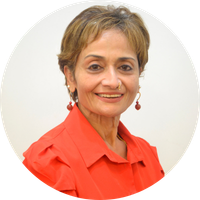
Dr. Premitha Damodaran
Dr. Premitha Damodaran is a Consultant Obstetrician and Gynaecologist at Pantai Hospital Kuala Lumpur. She is an active leader in women’s health both nationally and internationally. She currently serves as President of the College of Obstetrics and Gynaecology, Academy of Medicine of Malaysia, and is a member of the Board of Trustees of the International Menopause Society. She also chairs the Menopause and Midlife Women’s Health Committee of the Obstetrical and Gynaecological Society of Malaysia.
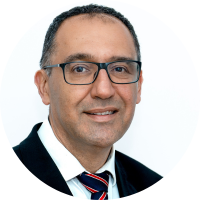
Haitham Hamoda
Mr Haitham Hamoda is a Consultant Gynaecologist and Subspecialist in Reproductive Medicine and Surgery and the Lead for the Menopause Service at King’s College Hospital. He is Trustee and past Chair of the British Menopause Society.
Mr Hamoda has published widely in his specialised field and is actively involved in ongoing research projects both locally and nationally.
He is first author of The British Menopause Society & Women’s Health Concern 2020 recommendations on hormone replacement therapy in menopausal women and author of the British Menopause Society guideline on the management of women with premature ovarian insufficiency 2017.
Mr Hamoda is a Fellow of the Royal College of Obstetricians and Gynaecologists and was awarded a degree of Doctor of Medicine (MD) from the University of Aberdeen. He obtained his accreditation as a subspecialist in reproductive medicine at Guy’s and St Thomas’ Hospital.

Rod Baber
Workshop 3 - Imaging Pelvic Floor Birth Trauma: From Diagnosis to Perineal Clinic Care
Clara Shek, Hans Peter Dietz and Nisha Subramaniam
Workshop 4 - GynZone: Diagnosing Perineal Lacerations After Vaginal Birth. A Workshop About Building Competence and Confidence Using a Blended Learning Approach
Sara Kindberg Adelskov (Denmark)
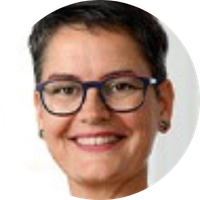
Sara Kindberg Adelskov is a Danish midwife, researcher, and healthcare entrepreneur known for her contributions to women's health. She holds a PhD in Health Sciences and has conducted significant research in reproductive health. Sara is the founder and CEO of GynZone, a company specializing in online medical education and training for healthcare professionals in obstetrics and gynecology. Through her work, she has advanced the quality of maternal care and the treatment
of birth-related injuries. Sara is recognized for her dedication to improving women's health globally through innovation, research, and professional education.
Workshop 5 - New Frontiers in Uterine Disorder
Maribel Acién (Spain), Attilio Di Spiezio Sardo (Italy), Lan Zhu (China)
- Embryology and etiopathogenesis of accessory cavitated uterine malformation (ACUM) by Maribel Acién (Spain)
- Clinical Presentation, Diagnosis and Differential Diagnosis of ACUM by Attilio Di Spiezio Sardo (Italy)
- Treatment and Counselling of ACUM by Lan Zhu (China)
- Q&A & Discussion

Maribel Acién
Executive Committee-Ex officio SIG Chair,
European Society of Human Reproduction and Embryology
Chief of Gynecology Section, San Juan University Hospital
Accr. Full Professor at Miguel Hernández University

Attilio Di Spiezio Sardo
Professor of ObGyn and Chief of the Hysteroscopy Unit at Department of ObGyn, University of Naples “Federico II”, Italy
Current member of the Executive Board of ESGE
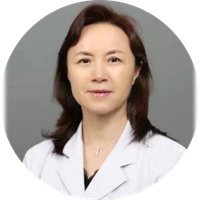
Lan Zhu
Director of Department of Obstetrics and Gynecology,Peking Union Medical College Hospital, Beijing, China
President, Chinese Society of Obstetrics and Gynecology, Chinese Medical Association
President-designate, Society of Obstetrics and Gynecology, Chinese Medical Doctor Association
President, Society of Pelvic Floor Disease Prevention, Chinese Preventive Medicine Association
President, the Urogynecology & Reconstructive Pelvic Surgery Society, Chinese Medical Association
10:30 – 10:40 AM: Break
Moderators: Gabriel Ganyaglo (Ghana) and Abdul Sultan (UK)
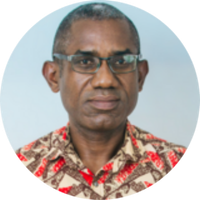
Dr. Gabriel Ganyaglo
Consultant Urogynaecologist
Korle Bu Teaching Hospital Accra, Ghana

Adbul Sultan
Abdul H. Sultan is a Consultant Obstetrician and UroGynaecologist at Croydon University Hospital and Honorary Reader at St George's University of London. He completed his basic medical training (MB.ChB) in South Africa prior to moving to the United Kingdom in 1984 and obtained the MRCOG degree in 1990 (FRCOG 2003). He subsequently took up a research post under the supervision of Prof Chris Hudson at St Bartholomew’s and Homerton Hospitals and Professors Clive Bartram and Mike Kamm at St Mark's Hospital. The research involved studying the effects of childbirth on the pelvic floor and anal sphincters. This led to a landmark paper published in the New England Journal of Medicine and to a Doctorate (MD). His pioneering work highlighted the deficiencies in training of doctors and midwives in detecting and repairing injuries to the perineum and anal sphincter after childbirth resulting in incontinence and pelvic floor and perineal dysfunction.
10:40 - 10:55 AM Pelvic Health in Low-Resource Settings: Success Stories
Aparna Hegde (India)

Dr. Aparna Hegde is Stanford and Cleveland Clinic Florida trained Urogynecologist. She is the Associate Professor (Hon) and founding head of the Department of Urogynecology, India’s first University based Department of Excellence in the field at Cama & Albless Hospital, Government Medical College, Mumbai. She is also Consultant Urogynecologist at Surya Hospital and Gleneagles Hospital in Mumbai and the Founder and Director of the Center for Urogynecology and Pelvic Health, New Delhi. She is Chair of FIUGA (Foundation for Urogynecology and Pelvic Health). She was also the past Chair of IUGA Publication Committee. She is member of the Editorial Board of the International Urogynecology Journal.
Dr. Hegde was included in the TIME 100 most influential people in health for 2025 and was ranked 15 in Fortune Magazine’s 50 World’s Greatest Leaders list in 2022. She is recipient of the Skoll award for social entrepreneurship, 2020, the WHO Public Health Champion award in 2017 among other awards.
10:55 - 11:10 AM Pelvic Health in Gender Services
Miti Rach (UK)

Miti is a Clinical Lead Pelvic Health Practitioner and Non-Medical Independent Prescriber working in the NHS. She is an Equality, Diversity and Inclusion Champion at a Central London teaching hospital and a Pelvic Health spokesperson for the Chartered Society of Physiotherapy, U.K.
Passionate about pelvic health she ensures that the services are inclusive of a gender diverse population and also leads the pelvic health physiotherapy team in gender services.
11:10 - 11:25 AM Pelvic Care in Oncological Survivors
Marie Pierre Cyr (Canada)

Marie-Pierre Cyr, PhD, MSc, MPT, is an Assistant Professor at the School of Rehabilitation, Université de Montréal, and Researcher at the Centre de recherche du Centre hospitalier de l’Université de Montréal in Canada.
She is a physiotherapist with certification in pelvic health practice from the Université de Montréal and has clinical experience in musculoskeletal and pelvic health.
Her research focuses on pelvic, women’s, and men’s health. She has made significant contributions in the fields of pelvic pain, oncology, and conservative treatments for pelvic floor disorders. She has published 19 peer-reviewed papers and has presented her work at more than 40 national and international conferences.
Her research employs both quantitative and qualitative methods to address clinically relevant questions. Her clinical and research interests include the pathophysiology, prevention, and treatment of pelvic floor disorders such as pelvic pain, incontinence, sexual dysfunction, and the development and validation of assessment tools.
11:25 - 11:40 AM Pelvic Floor and PTSD: Trauma-Informed Physiotherapy
Talli Rosenbaum (Israel)

Talli Yehuda Rosenbaum, MSc, Certified Sex Therapist and Supervisor
Talli Yehuda Rosenbaum is an individual and couples therapist specializing in sexual and relational health. A certified sex therapist and supervisor by IAPST and the Israeli Society for Sex Therapy, she integrates psychodynamic, relational and trauma informed approaches in her work with individuals and couples. Talli is co-author of I Am for My Beloved: A Guide to Enhanced Intimacy for Married Couples, co-editor of Springer text The Overactive Pelvic Floor, and co-host of the Intimate Judaism podcast. She lectures internationally and teaches in post-graduate programs in sex therapy and psychologically and trauma informed counseling for pelvic health professionals.
11:40 AM - 12:00 PM Panel Discussion
12:00 – 12:10 PM: Break
Moderators: Fred Milani (NL) and Lucia Berry (UK)

Fred Milani
Fred Milani began his term on the IUGA Board as Vice President at the beginning of 2021 and has been the IUGA President since early 2023. He served as a Medical Officer in a District Hospital in Northwest Tanzania for four years before he was registered as a consultant gynecologist-obstetrician in 1993 and started his career in a teaching hospital in Delft, the Netherlands. He retired from clinical practice in July 2020. He’s been an active member of IUGA since 1996. He also chaired the Dutch Pelvic Floor Society, completed a PhD thesis and published numerous articles, and was an invited expert for SCENIHR on their opinion on the safety of surgical meshes in urogynecological surgery.

Lucia Berry
Lucia Berry is Senior Lecturer in Physiotherapy & Programme Lead for the Enhanced and Advanced Clinical Practice (Pelvic Health) programmes at Brunel University London and an experienced pelvic health physiotherapist specialising in advanced practice and service development.
12:10 - 12:25 PM Big Data and AI in Pelvic Health Research
Kevin Rademakers (NL)
Kevin Rademakers works as a urologist at Zuyderland Medical Center since 2021 with robotics as main practice, e.g. robot cystectomy with urinary diversion and robotic reconstructive procedures. He has a research background in functional urology with an expertise in urodynamics and voiding dysfunctions / detrusor underactivity.
12:25 - 12:40 PM Digital Rehab: What Apps and Wearables Can (and Can’t) Do
Diane Newman (USA)
TBA
12:40 - 12:55 PM Publishing, Collaboration and Impact in Women's Health
Małgorzata (Gosia) Starzec-Proserpio (Poland)

Małgorzata ‘Gosia’ Starzec-Proserpio, PT, PhD, is a women’s health physiotherapist, researcher, and educator with international experience gained in Poland, the Czech Republic, Norway, Spain and Canada. Currently, she divides her professional and personal life between Europe and Canada, where she conducts her postdoctoral fellowship focused on pelvic pain at the Pelvic Health Research Laboratory, led by Professor Mélanie Morin at the Research Center of the Centre Hospitalier Universitaire de Sherbrooke. Since the beginning of her career, she has been dedicated to improving perineal and pelvic health for women. She is deeply interested in bridging the gap between research and practice, making science more appealing, accessible, and "user-friendly."
Instagram: @starzecproserpio_phd https://www.instagram.com/starzecproserpio_phd/
LinkedIn: www.linkedin.com/in/mstarzec
ResearchGate: https://www.researchgate.net/profile/Malgorzata-Starzec-Proserpio
12:55 - 1:15 PM Motivational Talk About Her Role at the Royal College
Ranee Thakar (UK)
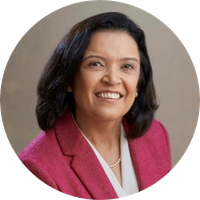
Ranee Thakar became President of the RCOG December 2022. Ranee is a Consultant Obstetrician and Urogynaecologist at Croydon University Hospital and Honorary Senior Lecturer, St George’s University of London. She is an experienced leader with a clear understanding of the operational, clinical and training demands facing the specialty today. She is an IUGA Past-President (2019-2020) and was awarded the IUGA Distinguished Service Award in June of 2023 at the IUGA Annual Meeting in The Hague.
Ranee has a long-standing commitment to the RCOG, having fulfilled a number of important roles including Secretary of the British Society of Urogynaecology, honorary director of conferences, and Council representative for South Asia.
Most recently, Ranee was Senior Vice President for Global Health, from 2019-2022. Under her leadership, the RCOG global health team secured funding to implement the Essential Gynaecology Skills programme in Bangladesh and she also led the Making Abortion Safe programme, which promotes safe abortion and contraception in five sub-Saharan countries. Maintaining these programmes and expanding the RCOG’s global initiatives, to improve the health of women and girls globally, will remain a priority for Ranee throughout her Presidency.
Ranee has a proven track record for supporting colleagues and as co-chair of the RCOG Race Equality Taskforce, led her workstream to deliver several essential initiatives including an e-learning module on tackling racism, a tool kit on differential attainment and a coaching programme to develop champions who will provide continuing support to the RCOG membership. Ranee will continue to lead the RCOG’s work to tackle inequalities across women’s health as one of her Presidential priorities.
Ranee has an impressive academic profile with over 200 publications and has made a significant contribution to improving perineal trauma outcomes by training obstetricians and midwives to provide safer maternity care for women globally. She is past President of the International Urogynecological Association and led the national obstetric anal sphincter injuries (OASI) Care Bundle Project. Regionally, Ranee leads the Perinatal Pelvic Health Project and Urogynaecology network for South-West London, developing multi-disciplinary collaboration with urologists, midwives, physiotherapists, nurses and GPs.
1:15 - 1:25 PM Panel Discussion