


Join us on Monday, October 26, 2026 at 9:00 PM UTC. To see what time it is for you, click here.
The IUGA Fellows, Trainees, and Early Career Professionals committee in conjunction with Pre-Vocational Obstetrics & Gynaecology Society (PVOGS) of Australia & New Zealand collaborate to present this webinar discussing pharmacotherapy and minimally invasive therapies including new advances in the management of bladder overactivity.
Program
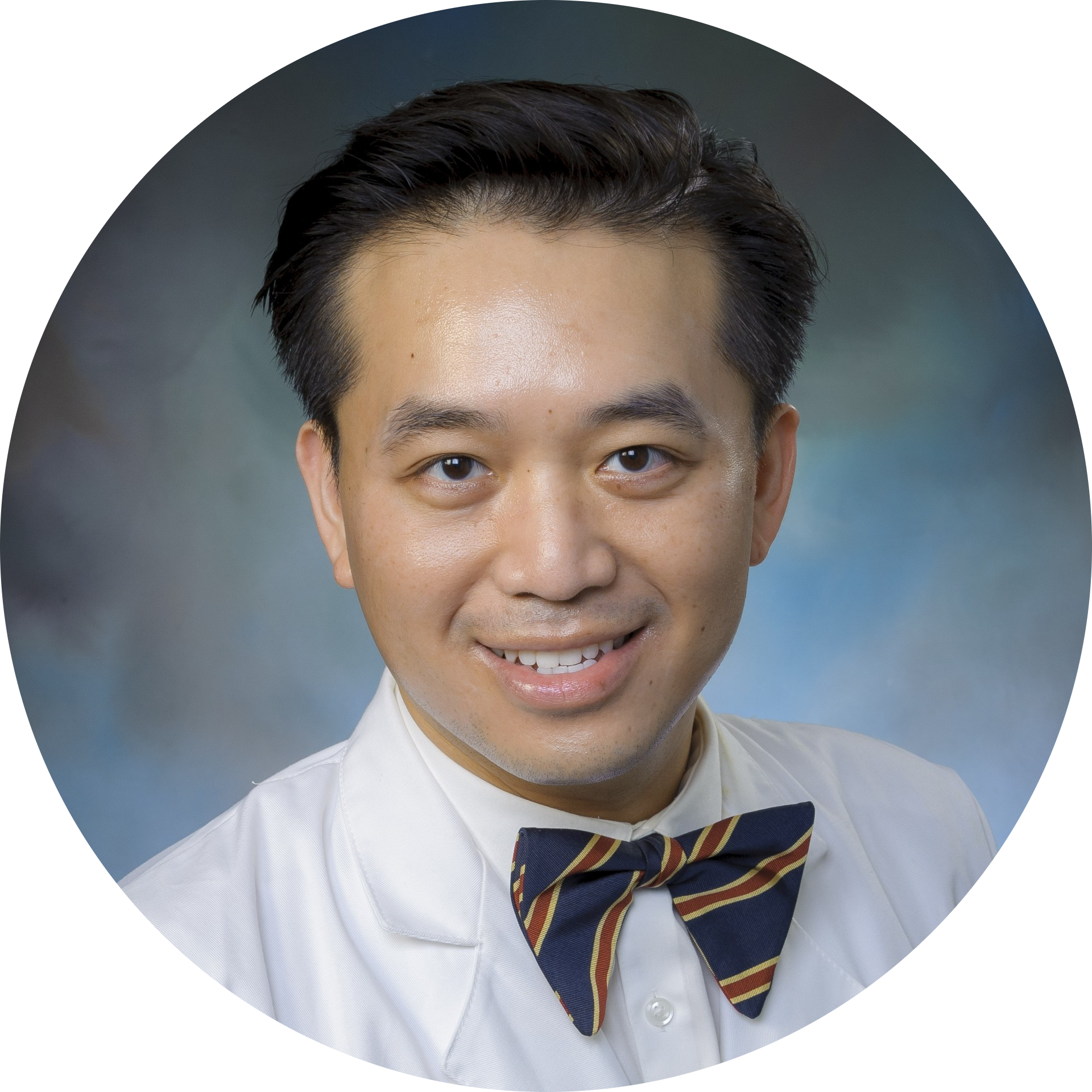
9:00PM UTC – Opening my moderators Dr Trieu Do (USA) and Nadia Fernando (Australia)
9:05PM UTC - Pharmacological Treatments and Botox for OAB by Dr. Rachel High (USA)
9:25PM UTC - Neuromodulation in OAB (TTNS, PTNS, SNM and implantable TNS) by Dr. Howard Goldman (USA)
9:45PM UTC – Discussion/Q&A
10:00PM UTC – Estimated closing of the webinar
Registration is open to all, including IUGA Members and Non-Members! A recording of the webinar will be available on the IUGA Academy*. Not a member? Join today!
Moderator
Presenter
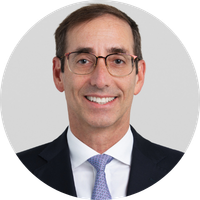
Howard B. Goldman MD FACS
Dr. Howard B. Goldman is a Professor on the faculty of the Cleveland Clinic Lerner College of Medicine and is the Institute Vice Chairman for Operations at the Glickman Urologic Institute. He has a joint appointment in the departments of urology and obstetrics and gynecology and is the Fellowship director for Urogynecology and Reconstructive Pelvic Surgery in the Department of Urology at the Cleveland Clinic. His interests are in the medical and surgical treatment of urinary incontinence and other types of voiding dysfunction, neuromodulation, prolapse repair, complex redo female urologic surgery, neurourology and fistula repair. He has authored over 250 peer reviewed articles and dozens of book chapters, is the editor of three textbooks, has been a visiting professor in the United States and abroad and given numerous invited lectures. He is on the editorial board of several journals and has served on several standardization, guidelines and best practice statement panels for the AUA and international organizations. He is currently a member of the Board of Trustees of the International Continence Society. He has also been involved in the development of innovative techniques and devices for the treatment of urinary incontinence and prolapse and received several awards for his work.
Presenter
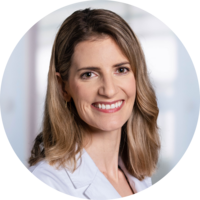
Dr. Rachel High an Assistant professor in Obstetrics & Gynecology and in Urology with the Houston Methodist Academic Institute and Weill Cornell College of Medicine. She is board certified in both Urogynecology & Reconstructive Pelvic Surgery and Obstetrics and Gynecology and serves as the Director of Research for the Center for Restorative Pelvic Medicine. In her clinical practice, she provides surgical and medical management of all pelvic floor disorders including urinary incontinence, overactive bladder, and voiding dyfunction.
Dr. High's research has improved understanding of cognitive and brain mechanisms behind lower urinary tract dysfunction such as overactive bladder and underactive bladder and she is conducting clinical trials on novel non-invasive therapies. Her trial assessing changes in brain activity after oral medications in older women with OAB was sponsored by the IUGA Clinical Research grant in 2019. Her database research has explored the relationship between urinary incontinence and longitudinal cognitive function. She is conducting ongoing clinical trials of novel, non-invasive, neuromodulation therapies for OAB and mixed incontinence.